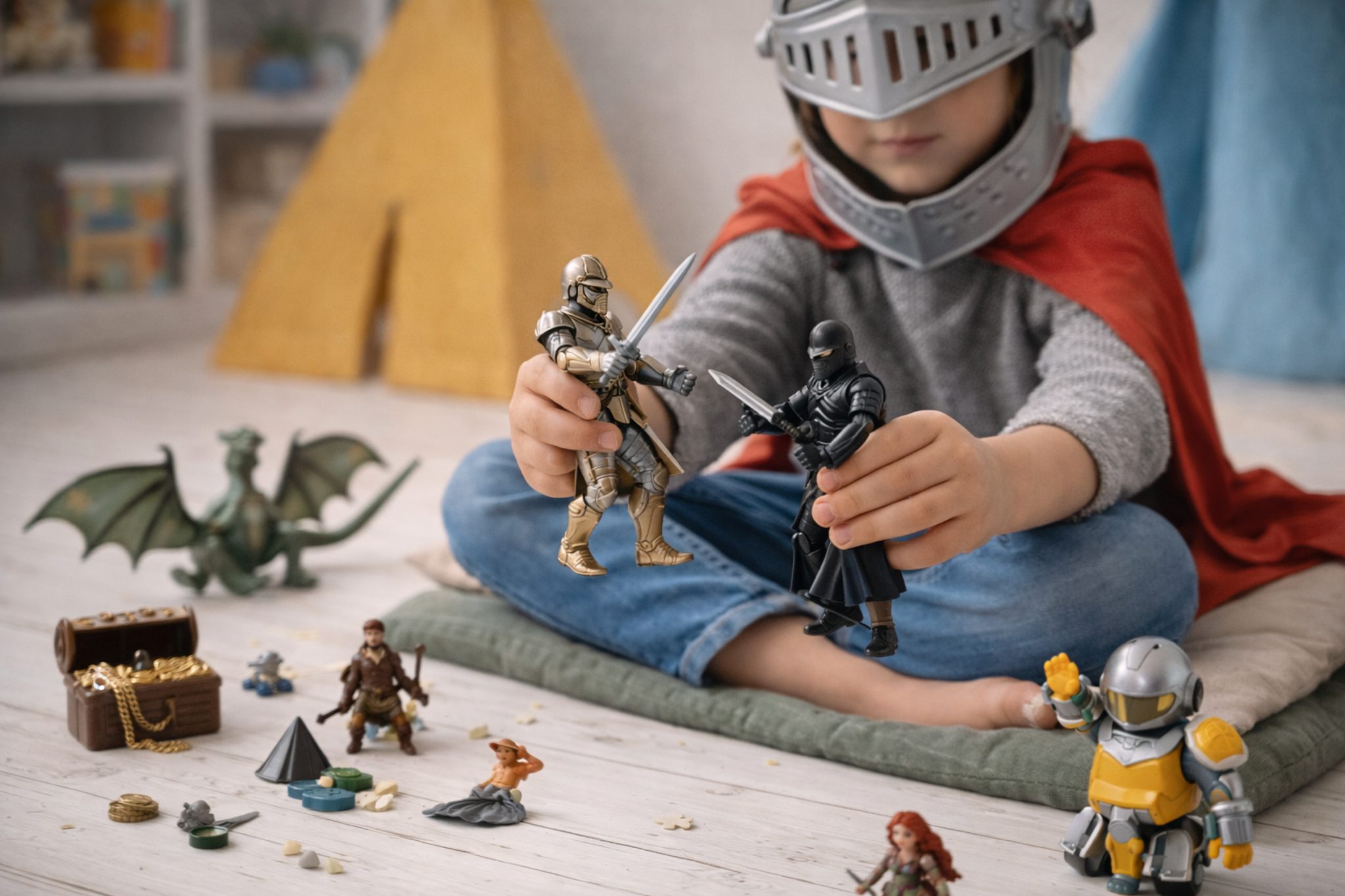
Helping children express feelings through play.
When a child cannot find the words for what they are holding inside, play can help them release it, so they don't have to carry it with them as they grow.
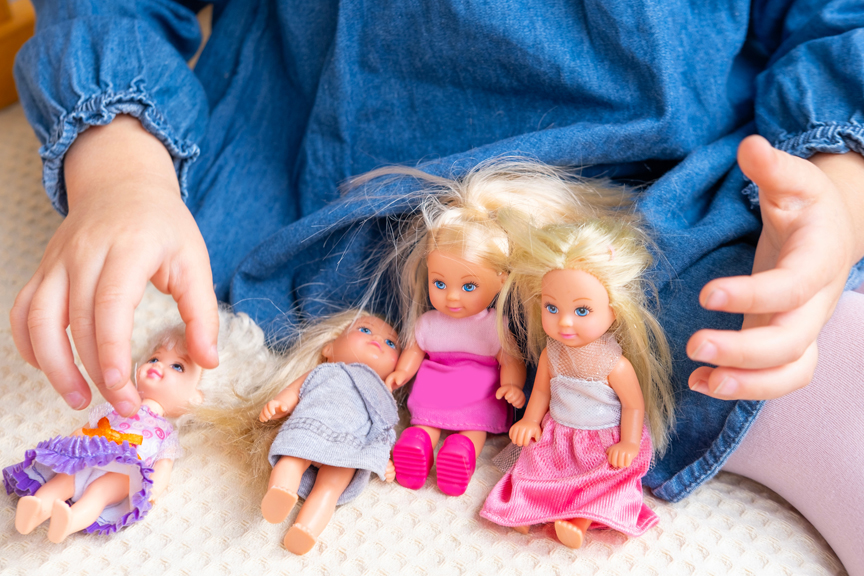
Play Therapy
A safe space
Play Therapy offers children a warm and trusting space to explore feelings and experiences they may not have the words to express. It compliments the support children receive from their parents/guardians by offering a consistent, neutral space that is just for them, where they can express themselves freely. Giving children a space to understand and express their feelings can make a lasting difference to how they see themselves and move through the world.
How children communicate
For children, play is a natural form of communication. While adults often talk about their thoughts and feelings, children are more likely to express themselves through play, creativity and imagination. Through play, children can communicate experiences, worries and emotions that may otherwise be difficult for them to explain.
The play therapy room
In the play therapy room, children have access to a range of carefully chosen toys and creative materials, including art, sand and imaginative play. They are free to move between different activities, using the materials in ways that feel meaningful to them. In this way, play becomes the child’s language. Play Therapy takes place one to one in a carefully prepared, safe environment. While it may look like ordinary play, it is a therapeutic space where the child can express themselves in their own way and at their own pace. This dedicated time and space, is separate from their everyday play.
The therapist's role
The therapist provides a safe and accepting environment where the child can explore their inner world. The therapist follows the child's lead and may gently reflect observations from the child's play supporting them as they explore their thoughts and feelings.
Supporting emotional development
Play therapy draws on the child's natural creativity and imagination to help them process experiences, develop emotional understanding and build resilience. When adults go for counselling or therapy, they usually talk about how they feel and what's on their mind. Children, however, don't always find it easy to put their thoughts and feelings into words. Children use toys, games and creative materials such as art, clay and sand, along with their imagination, to show what they are thinking and feeling. This helps them work through worries or big emotions that might feel too hard to talk about. Sometimes, children may not even realise they are working through these feelings, as this can happen naturally through their play during their sessions.
Approach
Julie works using a non-directive approach, allowing the child to lead the play while being supported by a trained therapist. This approach respects the child’s individuality and helps them feel safe enough to explore their feelings in a way that feels natural to them.
Children may be referred to play therapy for support with:
- Anxiety
- Emotional difficulties
- Anger
- Building confidence and self-esteem
- Trauma
- Bullying
- Night-time wetting
- Neurodiversity-related needs (e.g. communication differences, difficulty with routine changes)
- Adjustment to parental separation or family change
- Worries at night and sleep difficulties
- Communication confidence and difficulties with speech
- Social skills and peer relationship difficulties
- Bereavement and loss
- Challenging behaviours at home or in school
Children may come to play therapy for many different reasons, and this list reflects some of the more common difficulties.
Sessions
- Sessions last 50 minutes.
- Play therapy is suitable for children aged 4 - 12 years.
- Sessions usually take place once per week.