
Supporting children and families through play therapy.
A calm, child-centred practice offering support for emotional wellbeing, behavioural difficulties, confidence, and life changes.
A safe, supportive space where children can express themselves through play, at their own pace.
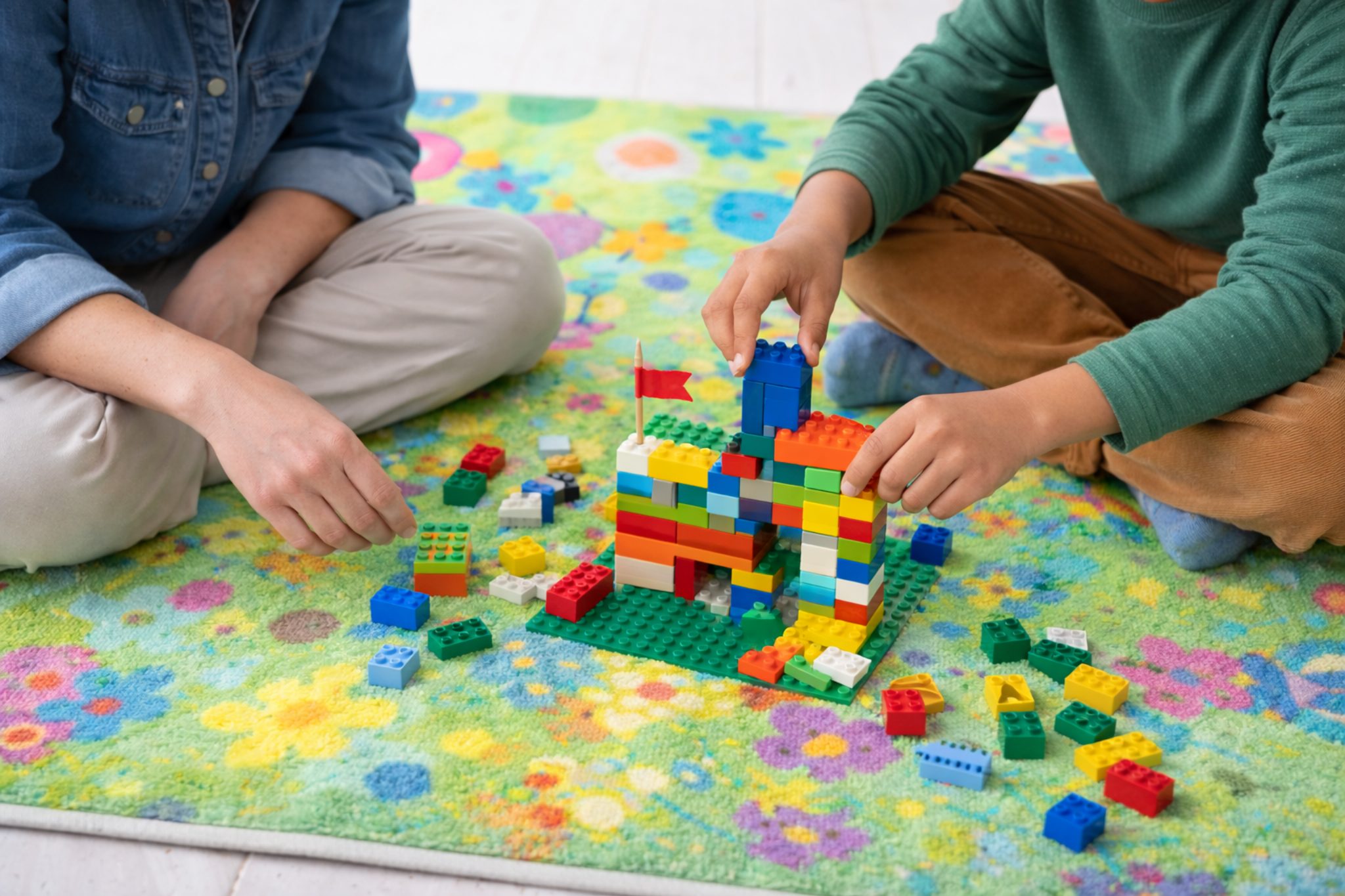
Welcome to Julie Elizabeth Play Therapy
The Space
The Play Therapy Room is a thoughtfully created therapeutic space where children can feel safe, accepted and understood. Within this supportive environment, children are free to express themselves in the way that feels most natural to them, through play.
Understanding Through Play
As a professionally trained play therapist, Julie is attentive to the deeper meanings that can emerge in a child's play and sensitively notices patterns and emotional themes, helping each child feel seen and heard without judgement or pressure.
How Play Therapy Can Help Your Child
Play therapy offers children a place where they can relax and simply be who they are, allowing them to ease into the therapy setting and gently grow in confidence. Through play, they begin to make sense of any worries, anger, confusion and other big emotions, and find healthy ways to express what’s happening inside. As they move through this process, they discover new ways to cope when things feel overwhelming, helping them feel calmer, more secure, and more settled within themselves. Along the way, they develop stronger relationships, build problem solving skills, and build more balanced relationships, learning to recognise both their own needs and the needs of others. Over time, children come to feel more assured in their own abilities, supporting their overall emotional wellbeing and day to day confidence.

Safety & Boundaries
There are no expectations placed on a child to explain themselves or act in a particular way. Gentle boundaries are provided when needed to maintain emotional and physical safety.
Growth & Support
Within this consistent and supportive therapeutic relationship, children are given the opportunity to process their experiences, strengthen emotional resilience, and develop healthier ways of coping and relating to the world around them.